
 Ayurvedic Care
Ayurvedic Doctor in Navi Mumbai for Personalised Ayurvedic Care
Ayurvedic Doctor in Navi Mumbai for Personalised Ayurvedic Care
An Ayurvedic Doctor in Navi Mumbai provides consultations based on traditional Ayurvedic principles to understand individual health concerns and discuss suitable care options. Ayurvedic healthcare considers factors such as health history, lifestyle, dietary habits, and current symptoms when developing a personalised approach.
During a consultation, a qualified Ayurvedic practitioner reviews your concerns, existing medical conditions, and medications before recommending appropriate options. Depending on your needs, these may include dietary guidance, lifestyle recommendations, herbal preparations, or selected Ayurvedic therapies.
Choosing a qualified practitioner is important for understanding potential benefits, treatment limitations, and safety considerations. In this guide, you will learn what to expect during an Ayurvedic consultation, how practitioners develop individual treatment plans, and what to consider when choosing an Ayurvedic doctor in Navi Mumbai.
What Does an Ayurvedic Doctor Do?
An Ayurvedic doctor applies traditional Ayurvedic principles to assess individual health concerns and recommend appropriate care options. Consultations may cover lifestyle habits, dietary patterns, current symptoms, and general well-being to develop a treatment approach suited to the individual's circumstances.
Health Assessment and Personalised Care
During a consultation, the practitioner reviews your health history, existing medical conditions, medications, and current concerns. Depending on the assessment, recommendations may include dietary guidance, lifestyle changes, herbal preparations, or selected Ayurvedic therapies.
Not every person requires the same treatment, and some concerns may need further medical investigation before Ayurvedic care is considered.
The Importance of Qualified Professional Guidance
A qualified, appropriately registered Ayurvedic practitioner should explain the purpose of recommended treatments, potential risks, expected duration, and available alternatives. They should also consider possible interactions between herbal products and prescribed medications.
When symptoms indicate a condition requiring medical evaluation, appropriate referral is important. Ayurvedic consultations should support informed healthcare decisions rather than replace necessary medical treatment.
Choosing a practitioner who prioritises individual assessment, transparent communication, and patient safety helps you better understand your care options and make decisions based on your health needs.
Ayurvedic Treatments and Therapies Available
An Ayurvedic clinic may offer different traditional care options depending on its services, practitioner qualifications, and available facilities. Recommendations should be based on an individual consultation rather than a standard treatment plan for everyone.
Herbal Care
Plant-based preparations as part of a personalised approach
Panchakarma
Abhyanga, Shirodhara & other traditional procedures
Diet & Lifestyle
Dietary habits, daily routines & wellness practices
Ayurvedic Herbal Care
Ayurvedic herbal care involves the traditional use of plant-based preparations as part of a personalised approach to wellness. A qualified practitioner should review your health history, existing conditions, allergies, and medications before recommending any herbal product.
Panchakarma Therapies
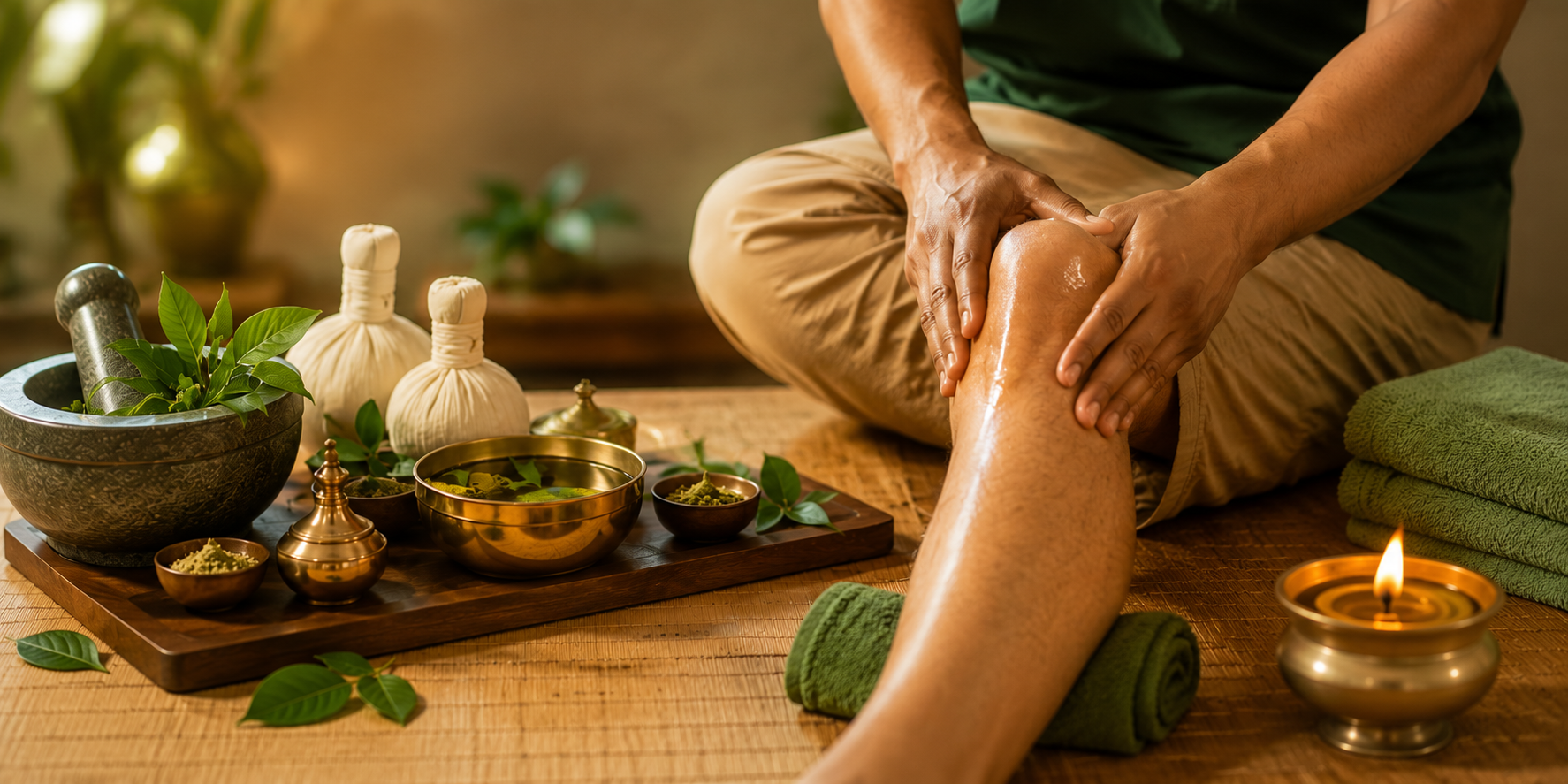
If offered by the clinic, Panchakarma may include selected traditional procedures such as Abhyanga (oil massage), Shirodhara, and other therapies recommended following a professional assessment. These procedures have different preparation requirements and potential risks.
Dietary and Lifestyle Guidance
Depending on the consultation, an Ayurvedic practitioner may discuss dietary habits, daily routines, and general wellness practices aligned with traditional Ayurvedic principles.
Choosing Suitable Treatment Options
Not every treatment is appropriate for every individual. The practitioner's recommendations should consider your symptoms, medical history, and overall health. Ask about treatment costs, expected duration, possible side effects, and alternatives before proceeding.
Important: Ayurvedic treatments should not replace necessary medical care or prescribed medication.
How to Choose the Right Ayurvedic Doctor in Navi Mumbai
Choosing the right Ayurvedic doctor in Navi Mumbai involves checking professional qualifications, consultation standards, and the quality of patient care. A responsible practitioner should assess your individual health concerns and explain treatment options clearly before making recommendations.
-
Verify Qualifications and Registration
Look for an Ayurvedic doctor with recognised qualifications and appropriate professional registration. Relevant experience and a responsible approach to traditional Ayurvedic care are also important considerations.
-
Look for Transparent Consultations
A reliable practitioner reviews your health history, current symptoms, existing medical conditions, and medications. They should explain the purpose of recommended treatments, potential risks, expected duration, and associated costs without promising guaranteed results.
-
Consider Hygiene and Patient Communication
If the clinic offers in-person treatments, check whether consultation rooms, equipment, and treatment facilities follow appropriate hygiene standards. The practitioner should answer your questions clearly and respect your concerns.
-
Evaluate Follow-Up Support
Ask whether follow-up consultations are available to review your progress and address concerns. A responsible doctor should recognise when symptoms require further medical investigation or referral to another healthcare professional.
Considering these factors can help you make an informed choice and find an Ayurvedic practitioner who prioritises personalised assessment, transparent communication, and patient safety.
What to Expect During Your First Ayurvedic Consultation
Your first Ayurvedic consultation helps the practitioner understand your health concerns, lifestyle, and individual needs. The process may vary depending on your symptoms, medical history, and the services offered by the clinic.
-
Discussion of Health History and Current Concerns
The consultation typically begins with questions about your current symptoms, dietary habits, daily routine, previous treatments, and medical history. Inform the practitioner about existing health conditions, allergies, and any medications or supplements you take.
-
Individual Assessment
The practitioner reviews the information you provide and assesses which Ayurvedic care options may be appropriate. Depending on your circumstances, further medical evaluation may be necessary before treatment is recommended.
-
Treatment Recommendations and Costs
If Ayurvedic care is considered suitable, the practitioner explains the proposed treatments, their traditional purpose, potential risks, expected duration, and available alternatives. You should also receive clear information about consultation fees, treatment charges, and any additional costs.
-
Follow-Up Guidance
Depending on your care plan, follow-up consultations may be recommended to review progress and address concerns. Ask questions before proceeding so you understand the proposed approach and can make an informed decision about your healthcare.
When Should You Consult an Ayurvedic Doctor?
Consulting an Ayurvedic doctor may help you explore traditional approaches to wellness, dietary guidance, and lifestyle recommendations based on your individual needs. If you have ongoing health concerns, seek an appropriate medical assessment to understand the underlying cause before deciding on a treatment approach.
For Ongoing Health Concerns
If symptoms persist, recur, or interfere with daily activities, consult a qualified healthcare professional. An Ayurvedic practitioner can discuss traditional care options where appropriate, but persistent symptoms may require further investigation or treatment from another medical specialist.
When to Seek Prompt Medical Attention
Serious or sudden symptoms, including chest pain, difficulty breathing, sudden weakness, severe pain, or a sudden change in consciousness, require urgent medical evaluation. Do not delay emergency care while seeking Ayurvedic treatment.
Share Your Medical History
Before beginning Ayurvedic care, inform your practitioner about existing medical conditions, allergies, prescribed medications, and supplements. Some herbal preparations may interact with medicines or cause unwanted effects.
A responsible practitioner considers these factors before recommending treatment and recognises when referral is necessary. Ayurvedic care should complement appropriate healthcare rather than replace prescribed medication or essential medical treatment.
Book Your Consultation with an Ayurvedic Doctor in Navi Mumbai
Looking for an experienced Ayurvedic Doctor in Navi Mumbai? Book a consultation to discuss your health concerns, explore traditional Ayurvedic treatment options, and receive guidance tailored to your individual needs. A qualified practitioner can assess your health history and explain suitable treatment approaches, including relevant lifestyle and dietary recommendations.
Choose a clinic that prioritises professional qualifications, transparent communication, and patient-centred care.
Ready to take the next step towards informed Ayurvedic care?
Frequently Asked Questions
1. What Does an Ayurvedic Doctor Do?
An Ayurvedic doctor assesses individual health concerns using traditional Ayurvedic principles and may recommend dietary guidance, lifestyle changes, herbal preparations, or suitable Ayurvedic therapies.
2. How Do I Choose an Ayurvedic Doctor in Navi Mumbai?
Check the practitioner's qualifications, professional registration, relevant experience, consultation approach, and transparency about treatment costs, potential risks, and expected outcomes.
3. What Happens During an Ayurvedic Consultation?
The practitioner discusses your health history, current symptoms, lifestyle, and medications before assessing suitable care options and explaining the proposed treatment plan.
4. Can Ayurvedic Treatment Be Combined with Conventional Medical Care?
In some circumstances, Ayurvedic care may complement conventional medical treatment. However, herbal products can interact with medications. Consult your healthcare provider before combining treatments, and never stop prescribed medication without medical advice.
5. How Can I Book an Appointment with an Ayurvedic Doctor?
Contact your chosen clinic through its official website, appointment booking page, or available contact channels. Confirm the consultation fees, practitioner qualifications, available services, and appointment timings before booking.